
Colostomy Bags: Complete Guide to Types, Uses, Fit, Care & Choosing the Right Pouch
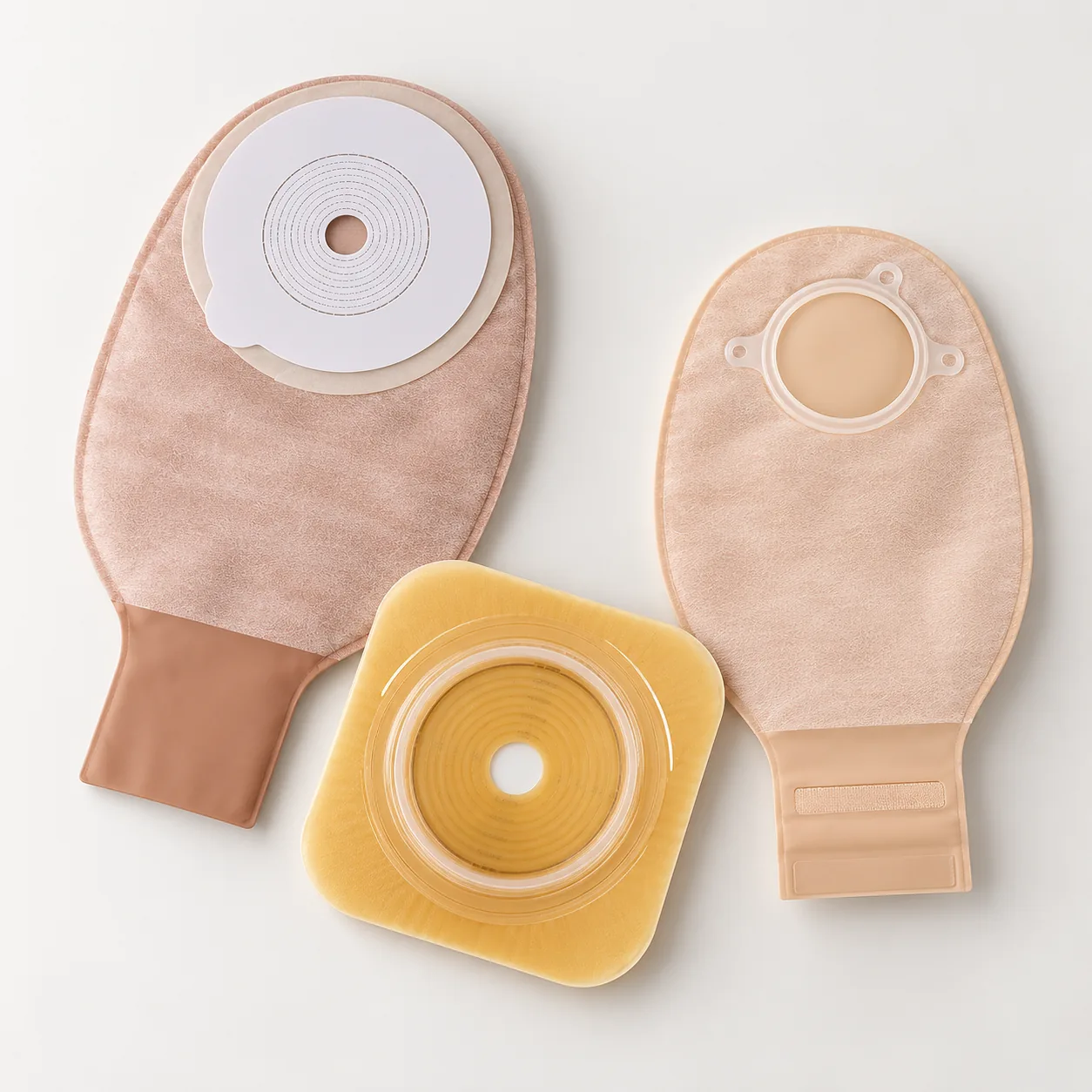
Colostomy Bags: Complete Guide to Types, Fit, Use & Everyday Care
A colostomy bag, also called a colostomy pouch, is a pouching system worn over a stoma to collect stool after part of the colon has been surgically redirected through an opening in the abdomen.
Modern colostomy bags are designed to form a secure seal around the stoma, collect output discreetly and protect the surrounding skin. They are available in different designs, sizes, barrier shapes and closure styles because no single pouching system is suitable for every person.
Choosing the right colostomy bag depends on several factors, including:
-
the size and shape of the stoma
-
whether the stoma protrudes or sits closer to skin level
-
abdominal contours
-
stool consistency and frequency
-
skin condition around the stoma
-
preference for a one-piece or two-piece system
-
drainable or closed-end design
-
lifestyle and daily routine
-
individual advice from a stoma care professional
This guide explains how colostomy bags work, the main types available, how sizing and fit work, how pouches are changed and emptied, common problems such as leakage and skin irritation, and practical considerations for everyday life.
Quick answer: There is no universally best colostomy bag. The best pouching system is one that fits the individual stoma and body contour properly, contains output securely, protects the surrounding skin and works comfortably with the person's daily routine.
What Is a Colostomy?
A colostomy is a surgically created opening that brings part of the colon through the abdominal wall.
The visible portion of bowel on the abdomen is called a stoma.
Instead of stool leaving the body through the usual route, it passes through the stoma. Because a stoma does not provide the same voluntary control over output as the anus, a pouching system is generally worn over it to collect stool.
A colostomy may be temporary or permanent, depending on why the surgery was performed.
This page focuses primarily on the pouching systems and supplies used after a colostomy rather than the surgical procedure itself.
For medical questions about your surgery, recovery, symptoms or individual stoma, speak with your surgeon, doctor or qualified stoma care professional.
What Is a Colostomy Bag?
A colostomy bag is more accurately described as a pouching system.
Most systems contain two fundamental components:
1. Skin barrier
Also known as a:
-
wafer
-
baseplate
-
flange
-
faceplate
depending on the manufacturer and type of product.
The barrier adheres to the skin surrounding the stoma and helps create a seal between the pouching system and the abdomen.
2. Pouch
The pouch collects stool coming through the stoma.
Depending on the product, the pouch may be:
-
drainable
-
closed-end
-
transparent
-
opaque
-
filtered
-
unfiltered
-
integrated with the barrier
-
detachable from the barrier
In a one-piece system, the pouch and skin barrier are permanently connected.
In a two-piece system, the pouch and barrier are separate components designed to connect to each other.
How Does a Colostomy Bag Work?
A properly fitted skin barrier surrounds the stoma and adheres to the nearby skin.
Stool leaving the stoma enters the attached pouch.
Depending on the pouch design, the user can either:
-
empty the pouch through an opening at the bottom, or
-
remove and dispose of a closed pouch.
The pouching system therefore performs three important functions:
Collecting output
It provides a contained space for stool leaving the stoma.
Maintaining a seal
The barrier helps reduce the chance of output getting underneath the pouching system.
Protecting the skin
A well-fitting barrier helps limit contact between stool and the skin immediately surrounding the stoma.
The skin surrounding a stoma is often called peristomal skin.
What Are the Main Types of Colostomy Bags?
Colostomy pouching systems can be classified in several ways.
The most important distinctions are:
-
one-piece vs two-piece
-
drainable vs closed-end
-
flat vs convex
-
cut-to-fit vs pre-cut
-
transparent vs opaque
Understanding these differences makes product selection significantly easier.
One-Piece Colostomy Bags
A one-piece colostomy bag combines the pouch and adhesive skin barrier into a single unit.
When the entire pouching system is changed, both the pouch and barrier are removed together.
Potential advantages
-
fewer separate components
-
straightforward application
-
no coupling mechanism between pouch and barrier
-
often relatively low-profile under clothing
Things to consider
Because the pouch and barrier are connected, removing the system also removes the adhesive barrier from the skin.
Someone who wants to change pouch styles while leaving the barrier attached may therefore prefer a two-piece system.
Two-Piece Colostomy Bags
A two-piece pouching system uses a separate skin barrier and pouch.
The skin barrier adheres around the stoma while the pouch connects to the barrier using a compatible coupling mechanism.
This allows the pouch to be removed or changed while the barrier remains attached.
Potential advantages
-
pouch can be changed independently of the barrier
-
ability to switch compatible pouch styles
-
barrier does not necessarily need to be removed every time the pouch is replaced
Things to consider
Two-piece systems have an additional connection between the pouch and barrier, and compatible components must be matched correctly.
Neither one-piece nor two-piece systems are automatically "better." Selection depends on individual needs, fit, comfort and preference.
Read next: [One-Piece vs Two-Piece Colostomy Bags: Complete Comparison]
Drainable vs Closed-End Colostomy Bags
Another major distinction is what happens when the pouch contains output.
Drainable colostomy bags
A drainable pouch has an opening at the bottom.
The pouch can be emptied into a toilet without removing the entire pouching system from the body.
Depending on the product, the outlet may use:
-
an integrated closure
-
a roll-up closure
-
a separate clamp or clip
After emptying, the outlet is securely closed again.
Drainable systems may be useful when output occurs frequently enough that repeatedly replacing a whole pouch would be inconvenient.
Closed-end colostomy bags
A closed-end pouch does not have a drainable outlet.
Instead, the pouch is removed and disposed of when replacement is needed.
Closed-end pouches may suit some people with more predictable or formed output patterns.
Both one-piece and two-piece pouching systems can be available in drainable or closed-end configurations.
Read next: [Drainable vs Closed Colostomy Bags: Which Type Is Right for You?]
Flat vs Convex Colostomy Barriers
The shape of the skin barrier can affect how the pouching system fits around the stoma.
Flat barriers
A flat skin barrier sits relatively flat against the abdomen.
It may work well where the stoma projects adequately and the surrounding surface allows a reliable seal.
Convex barriers
A convex barrier curves toward the body around the stoma.
Convexity can help with certain stoma positions and body contours by applying gentle pressure around the stoma and supporting a more secure seal.
However, convexity should not simply be chosen because it sounds more secure.
The appropriate barrier depends on the person's:
-
stoma position
-
stoma height
-
skin condition
-
abdominal profile
-
folds or creases
-
previous leakage experience
A stoma care professional can help determine whether convexity is appropriate, particularly when leakage or difficult body contours are involved.
Read next: [Flat vs Convex Colostomy Bags: What Is the Difference?]
Cut-to-Fit vs Pre-Cut Colostomy Bags
The skin barrier contains an opening through which the stoma passes.
That opening may be supplied as either cut-to-fit or pre-cut.
Cut-to-fit
A cut-to-fit barrier allows the opening to be cut according to the measured size and shape of the stoma, within the manufacturer's specified cutting range.
For example, a pouch described as:
Cut-to-fit up to 60 mm
means the barrier can be customised within its supported range to accommodate an appropriate stoma opening.
It does not necessarily mean that everyone using the product should cut the opening to 60 mm.
The opening should correspond to the individual's stoma size and product instructions.
Pre-cut
A pre-cut barrier comes with an opening already manufactured to a particular size.
This can make preparation easier when the stoma size is stable and matches one of the available pre-cut sizes.
Read next: [Cut-to-Fit vs Pre-Cut Colostomy Bags]
Transparent vs Opaque Colostomy Bags
Pouches may also differ in appearance.
Transparent pouches
A transparent pouch allows the contents and stoma area to be viewed through the pouch material.
This can be useful when:
-
checking positioning during application
-
observing the stoma
-
monitoring output
-
learning a new pouching routine
Some pouches combine transparent film with a fabric or nonwoven covering on one side.
Opaque pouches
An opaque pouch conceals the contents from view.
Some people prefer this for discretion during everyday use.
Neither option changes the fundamental purpose of the pouch.
Preference is largely individual.
Read next: [Transparent vs Opaque Colostomy Bags]
How Do You Choose the Right Colostomy Bag?
There is no single product specification that determines the correct pouch.
A better selection process starts with the person and the stoma.
Important considerations include:
Stoma size
The opening in the skin barrier must correspond appropriately to the size of the stoma.
Stoma shape
Not every stoma is perfectly circular.
Some may be oval or irregular.
Stoma height
Some stomas protrude clearly above skin level while others may be flush with or closer to the surrounding skin.
Abdominal contours
Folds, scars, creases, hernias and changes in abdominal shape can affect how well a barrier seals.
Output
The consistency and frequency of stool can influence whether a drainable or closed-end pouch is practical.
Skin condition
Healthy peristomal skin supports effective pouch adhesion.
Persistent irritation may indicate that the pouching system, opening size, removal technique or another factor needs assessment.
Dexterity
Opening closures, cutting barriers and attaching two-piece components require different levels of handling.
Lifestyle
Work, travel, clothing, physical activity and personal routines may influence pouch preferences.
Personal preference
People may simply prefer:
-
one-piece over two-piece
-
transparent over opaque
-
particular closure mechanisms
-
particular pouch sizes
-
certain barrier materials
Professional ostomy guidance emphasises that pouch selection is individual and that people sometimes need to try more than one system before finding the best fit for their needs.
Complete guide: [How to Choose the Right Colostomy Bag]
How Do You Measure a Stoma for a Colostomy Bag?
Correct sizing is important because the barrier opening sits around the stoma.
Stoma size can change, particularly during the period following surgery, so measurements should not simply be assumed from a previous pouch.
A measuring guide is commonly used to determine the size of the stoma before preparing a cut-to-fit barrier.
The objective is to create an opening that fits appropriately around the stoma while following the pouch manufacturer's instructions.
An opening that is significantly too large may expose unnecessary surrounding skin to output.
An opening that is too small can interfere with or put inappropriate pressure on the stoma.
If you are uncertain about measurement or fit, consult a stoma care professional instead of guessing.
Step-by-step guide: [How to Measure Your Stoma for a Colostomy Bag]
What Size Colostomy Bag Do I Need?
When people ask about "colostomy bag size," they may actually be referring to several different measurements.
These include:
Stoma opening size
The diameter or dimensions of the barrier opening required around the stoma.
Cutting range
The range within which a cut-to-fit barrier can be customised.
Pouch dimensions
The physical length and width of the collection pouch.
Pouch capacity
How much output the pouch is designed to hold.
These are not the same measurement.
For example, a product with a maximum 60 mm cut-to-fit opening does not necessarily have a 60 mm pouch or mean that it is suitable for every stoma below 60 mm without considering the rest of the product specifications.
Always check the specific manufacturer's sizing information.
How Is a Colostomy Bag Changed?
The exact process depends on the pouching system and the instructions supplied with it.
In general, a pouch change involves:
-
gathering the required supplies
-
emptying the existing pouch where appropriate
-
gently removing the old pouching system
-
cleaning the skin around the stoma
-
drying the area thoroughly
-
checking the stoma and surrounding skin
-
measuring the stoma when required
-
preparing the replacement barrier
-
applying the new pouching system
-
checking that the pouch and closure are secure
Removing an adhesive barrier gently is important. Rather than forcefully pulling the pouch away from the skin, guidance commonly recommends supporting/pushing the skin away while gradually lifting the adhesive barrier.
Different products may require different techniques, so always follow the instructions provided with the pouching system and the advice of your stoma care team.
Detailed instructions: [How to Change a Colostomy Bag Step by Step]
How Often Should a Colostomy Bag Be Changed?
There is no single universal change schedule that applies to every colostomy bag.
Change frequency varies according to:
-
one-piece or two-piece system
-
barrier material
-
pouch type
-
individual output
-
skin condition
-
fit
-
manufacturer recommendations
-
leakage
-
personal routine
Professional ostomy guidance advises changing a pouching system promptly when there are signs of leakage rather than trying to extend wear time simply because the pouch has not reached a predetermined number of days.
If wear time is consistently very short or unpredictable, consult a stoma care professional to assess fit and technique.
Read more: [How Often Should You Change a Colostomy Bag?]
How Do You Empty a Drainable Colostomy Bag?
A drainable pouch is designed so output can be emptied while the pouch remains attached.
The specific procedure varies according to closure design, but generally involves:
-
positioning yourself comfortably near a toilet
-
directing the pouch outlet appropriately
-
opening the tail closure or clamp
-
allowing the contents to empty
-
cleaning the end of the outlet if necessary
-
securely closing the outlet again
Always check that the outlet is completely secured before leaving the bathroom.
Detailed guide: [How to Empty a Drainable Colostomy Bag]
What Causes a Colostomy Bag to Leak?
Occasional pouching difficulties can happen, but repeated leakage should not simply be accepted as normal.
Potential contributing factors include:
-
incorrect barrier opening size
-
poor seal around the stoma
-
abdominal folds or creases
-
changes in body contour
-
stoma position
-
damaged or weakened adhesive
-
moisture on the skin during application
-
unsuitable pouching-system configuration
-
output getting underneath the barrier
-
allowing leakage to continue before replacing the system
Leakage underneath the barrier can expose peristomal skin to stool and may lead to irritation.
If your pouch frequently leaks, burns, itches or fails to remain securely attached, contact your stoma nurse or another qualified healthcare professional for assessment. UOAA specifically recommends professional review for recurrent leaks or skin irritation.
Troubleshooting guide: [Why Does My Colostomy Bag Keep Leaking?]
Skin Care Around a Colostomy
The skin around a stoma should ideally remain healthy and similar in condition to the surrounding abdominal skin.
Persistent:
-
redness
-
soreness
-
burning
-
itching
-
broken skin
-
moisture
-
bleeding from surrounding skin
should not simply be covered with a new pouch and ignored.
Possible pouch-related causes can include leakage, repeated adhesive trauma, unsuitable fit or prolonged skin contact with output.
The objective of the pouching system is not merely to collect stool. A properly fitted barrier also helps protect the skin.
If irritation persists, worsens, becomes painful or interferes with pouch adhesion, seek advice from a stoma care professional.
Read more: [Skin Irritation Around a Stoma: Causes and Pouching Issues]
What Are Colostomy Bag Filters?
Some ostomy pouches include integrated filters.
Gas produced in the digestive system can enter the pouch along with stool. A filter is designed to allow gas to escape through the pouch in a controlled manner while helping manage odour.
Filters vary between products and manufacturers.
Some pouching systems do not include them.
A filter is also not a substitute for correcting a leaking pouch. If odour is escaping because stool or gas is getting underneath the barrier, the seal needs assessment.
Read more: [Colostomy Bag Odour and Gas: Filters, Causes & Management]
Does a Colostomy Bag Smell?
A properly functioning and securely sealed pouching system is designed to contain output.
Odour can naturally be present when:
-
emptying a drainable pouch
-
replacing a closed pouch
-
changing the pouching system
Persistent unexplained odour while the pouch is closed can be worth checking because it may indicate:
-
an outlet that is not completely closed
-
a problem with the pouch
-
compromised seal
-
leakage beneath the barrier
Diet can also affect the amount of gas or odour produced by some individuals.
Can You Shower With a Colostomy Bag?
Many people with a colostomy are able to shower and maintain normal personal hygiene routines.
Specific pouching products differ, however, so follow the manufacturer's guidance concerning water exposure, filters and barrier adhesion.
Some people shower while wearing their pouching system, while individual circumstances may allow other routines.
If you have recently undergone surgery, follow the bathing and wound-care instructions provided by your medical team.
What Clothes Can You Wear With a Colostomy Bag?
For many people, having a colostomy does not require replacing their entire wardrobe.
Modern pouches are generally designed to sit relatively flat against the abdomen.
Comfort may depend on:
-
where the stoma is positioned
-
where waistbands sit
-
pouch length
-
whether the pouch is allowed to become overly full
-
personal preference
A waistband that puts uncomfortable pressure directly across the stoma or pouch may need adjustment.
Otherwise, many people return to wearing their usual styles of clothing after recovery. NHS guidance notes that having a colostomy should not prevent people from living a full and active life.
Sleeping With a Colostomy Bag
A colostomy does not normally mean that you must remain awake to manage your pouch throughout the night.
A routine that helps prevent the pouch becoming excessively full before or during sleep can improve comfort.
Individual considerations can include:
-
emptying the pouch before bed
-
checking the outlet closure
-
checking the pouch seal
-
understanding your usual output pattern
-
finding a comfortable sleeping position
Anyone repeatedly waking because of leakage, ballooning or pouch failure should discuss the problem with a stoma care professional rather than treating disrupted sleep as unavoidable.
Eating With a Colostomy
Diet after colostomy surgery can vary significantly between the early recovery period and longer-term life.
Immediately after surgery, healthcare teams may recommend temporary dietary changes while the bowel heals.
Longer term, many people are able to return toward a varied, balanced diet. Individual foods, however, may influence:
-
gas
-
stool consistency
-
odour
-
frequency of output
Responses vary from person to person.
Rather than permanently eliminating large groups of foods based on general internet lists, dietary changes should consider individual tolerance and clinical advice.
NHS guidance notes that after recovery many people can gradually reintroduce their usual foods while maintaining adequate fluid intake.
Detailed guide: [What Can You Eat With a Colostomy?]
Travelling With a Colostomy Bag
Having a colostomy does not automatically prevent travel.
Preparation becomes particularly important when travelling away from normal access to supplies.
Useful considerations can include carrying:
-
additional pouches
-
barriers
-
disposal bags
-
cleaning materials used in your routine
-
adhesive remover where required
-
accessories you regularly depend on
-
a change of clothing
-
essential supplies in accessible hand luggage during air travel
If you use cut-to-fit barriers and intend to travel by air, consider how your cutting tools will be transported under applicable airport security rules.
Climate can also matter. Heat, humidity and sweating can sometimes affect wear routines.
Complete guide: [Travelling With a Colostomy Bag: Flights, Packing & Supplies]
Common Colostomy Accessories
Not everybody needs every ostomy accessory.
Using more products does not automatically create a better seal.
Common accessories include:
Barrier rings
Designed to help fill gaps or uneven areas around the stoma and support a seal.
Barrier paste
Often used as a caulking material to fill small gaps and uneven contours. It is not simply "glue" for attaching the pouch.
Stoma powder
Certain products may be used as part of skin-management routines when advised.
Adhesive remover
May help with gentle removal of adhesive products.
Barrier films
Designed to provide a protective layer on the skin in appropriate situations.
Ostomy belts
Compatible belts can provide additional support for certain pouching systems.
Pouch covers
Fabric covers may be used for comfort or personal preference.
Accessories should solve a specific problem rather than being added unnecessarily.
Understanding Common Colostomy Bag Terms
Shopping for ostomy supplies can be confusing because manufacturers and healthcare professionals may use several different terms for similar components.
Stoma
The surgically created opening of bowel visible on the abdomen.
Peristomal skin
The skin immediately surrounding the stoma.
Pouch
The bag that collects output.
Skin barrier
The adhesive component fitted around the stoma.
Wafer or baseplate
Other terms commonly used for the skin barrier.
Flange
Often used when describing the barrier/coupling component of a two-piece system.
One-piece
Pouch and barrier manufactured as one connected unit.
Two-piece
Separate pouch and barrier designed to connect together.
Drainable
A pouch that can be emptied through an outlet.
Closed-end
A pouch without a drainable outlet.
Cut-to-fit
A barrier opening that can be cut to an appropriate size within the manufacturer's stated range.
Pre-cut
A barrier manufactured with a fixed-size opening.
Convex
A barrier designed with an inward curve to address certain stoma and body-contour needs.
Understanding these terms makes comparing products significantly easier.
What Should You Check Before Buying a Colostomy Bag?
Do not choose a pouch based only on price or product photographs.
Before purchasing, check:
-
product brand
-
model or reference number
-
one-piece or two-piece
-
drainable or closed-end
-
barrier type
-
cut-to-fit or pre-cut
-
supported stoma opening size
-
closure mechanism
-
transparent or opaque
-
filter availability
-
pack quantity
-
compatibility with existing components
-
manufacturer instructions
If replacing a product you already use successfully, matching the exact model/reference number is often more reliable than relying only on a similar-looking product image.
With two-piece systems in particular, confirm that the pouch and skin barrier are compatible components from the intended product system.
How Much Do Colostomy Bags Cost in India?
Colostomy bag prices in India vary significantly according to:
-
manufacturer
-
pouching-system type
-
pack quantity
-
one-piece or two-piece construction
-
imported or domestic product
-
skin barrier technology
-
accessories included
-
individual product model
Comparing only the headline package price can therefore be misleading.
For example, a pack of 10, individual pouch, complete one-piece system and separate two-piece pouch component are fundamentally different purchases.
Always check the pack quantity and included components before comparing prices.
[View Colostomy Bags Available at CuraRich]
When Should You Contact a Stoma Care Professional?
Product information online is useful for understanding terminology and comparing pouching systems, but it cannot replace individual clinical assessment.
Contact your healthcare or stoma care team if you experience problems such as:
-
repeated leakage
-
persistent skin irritation
-
significant pain
-
difficulty keeping a pouch attached
-
unexpected changes in your stoma
-
unusual or concerning changes in output
-
bleeding that concerns you
-
problems following recent surgery
-
uncertainty about which barrier or pouching system is suitable
If symptoms are severe or you believe you may need urgent medical attention, seek appropriate medical care rather than relying on online product guidance.
Frequently Asked Questions About Colostomy Bags
What is a colostomy bag used for?
A colostomy bag is worn over a surgically created stoma to collect stool leaving the colon through the abdominal wall.
Is a colostomy bag the same as a stoma bag?
"Stoma bag" is a broader term. Colostomy bags are used for colostomies, while other pouching systems are designed for ileostomies or urostomies.
What is the difference between a colostomy bag and an ostomy bag?
"Ostomy bag" is a general term covering pouching systems used for different types of ostomies. A colostomy bag specifically refers to a pouching system used with a colostomy.
What are the two main types of colostomy pouching systems?
The two main configurations are one-piece and two-piece systems. A one-piece system combines the pouch and barrier, while a two-piece system has separate pouch and barrier components.
Which is better: a one-piece or two-piece colostomy bag?
Neither is universally better. Choice depends on stoma characteristics, skin, output, lifestyle, dexterity and personal preference.
Can a colostomy bag be emptied?
A drainable colostomy bag can be emptied through its bottom outlet while still attached. A closed-end pouch is designed to be removed rather than emptied.
Can you reuse a colostomy bag?
Use each product according to the manufacturer's intended-use instructions. A drainable pouch being emptied during wear does not automatically mean that a disposable pouching system should be washed and repeatedly reused beyond its intended wear period.
How often should a colostomy bag be emptied?
There is no single schedule for everybody. Drainable pouches are emptied according to output and practical need. Avoid allowing the pouch to become excessively full or heavy.
How often should a colostomy bag be changed?
Frequency varies by product and individual. Follow the manufacturer's instructions and your stoma nurse's guidance. A leaking pouching system should be changed rather than left in place.
Why does my colostomy bag keep leaking?
Possible causes include poor fit, incorrect barrier opening, body contours, moisture, stoma position or problems with the pouching system. Repeated leaks should be assessed by a qualified stoma care professional.
Should the skin around a stoma be sore?
Persistent soreness, burning or damaged skin should not simply be considered a normal part of wearing an ostomy pouch. Leakage and fit are among the factors that may need assessment.
What does cut-to-fit mean?
Cut-to-fit means the opening in the skin barrier can be customised to fit the measured stoma within the manufacturer's specified cutting range.
What does "up to 60 mm" mean on a colostomy bag?
It generally refers to the maximum supported opening or cutting range specified for that particular product. It does not mean the barrier should automatically be cut to 60 mm.
What is a convex colostomy bag?
A pouch described as convex generally uses a convex skin barrier. The barrier curves toward the body and may help create an appropriate seal for certain stoma positions or abdominal contours.
Can you sleep normally with a colostomy bag?
Many people return to normal sleeping routines after recovery. Emptying the pouch when appropriate, maintaining a good seal and finding a comfortable position can help.
Can you shower with a colostomy bag?
Many people with colostomies shower normally, including while wearing their pouching system. Follow the specific manufacturer's product guidance and any post-operative instructions from your healthcare team.
Can you travel with a colostomy bag?
Yes. Having a colostomy does not automatically prevent travel. Carrying adequate supplies and keeping important pouching products accessible during the journey is sensible preparation.
Can you live a normal life with a colostomy bag?
Many people return to work, travel, relationships and active daily lives after recovery from colostomy surgery, although individual recovery and medical circumstances vary.
Choosing Colostomy Supplies With Confidence
The large number of pouch designs, sizes and technical terms can make choosing a colostomy bag confusing at first.
The simplest way to approach the decision is to understand four things:
Your stoma
Its size, shape, position and surrounding contours.
Your output
How often output occurs and its usual consistency.
Your pouching system
One-piece or two-piece, drainable or closed, flat or convex, and cut-to-fit or pre-cut.
Your routine
What feels secure, manageable and practical for everyday life.
Do not assume that a more complicated or more expensive pouching system is automatically better.
The most suitable system is the one that provides an appropriate fit, reliable containment, healthy surrounding skin and a routine that works for the individual.
If a pouch works poorly, repeatedly leaks or causes ongoing skin problems, seek advice rather than simply tolerating it.
Explore the Colostomy Bag Knowledge Centre
Continue with our detailed guides:
Types of Colostomy Bags
Understand one-piece, two-piece, drainable, closed-end, flat, convex and other pouching-system options.
[Read the Types of Colostomy Bags Guide →]
Choosing the Right Colostomy Bag
Learn how stoma size, fit, output, body contour and pouch design affect product selection.
[Learn How to Choose a Colostomy Bag →]
Using a Colostomy Bag
Step-by-step information about changing, emptying and managing a pouching system.
[Read the Colostomy Bag Usage Guide →]
Colostomy Bag Problems
Understand common causes of leakage, irritated skin, odour, gas and poor pouch fit.
[Explore Colostomy Bag Troubleshooting →]
Living With a Colostomy Bag
Practical information about food, clothing, sleeping, showering, travel and daily routines.
[Read the Living With a Colostomy Guide →]
Shop Colostomy Bags
Explore colostomy pouching systems available from CuraRich, including detailed information about:
-
manufacturer
-
model number
-
pouch configuration
-
opening size
-
closure
-
materials
-
pack quantity
-
intended application
[View Colostomy Bags →]
Medical Information Notice
The information on this page is provided for general educational and product-understanding purposes. It is not intended to diagnose, treat or replace personalised medical advice. Pouching requirements vary according to the individual stoma, skin condition, surgery and health circumstances. Consult your surgeon, doctor or qualified stoma care professional when you need individual medical or pouch-fitting advice.